Japan
Tokyo · Hakone · Kyoto
Estimated budget
£19k
2 travellers · full trip
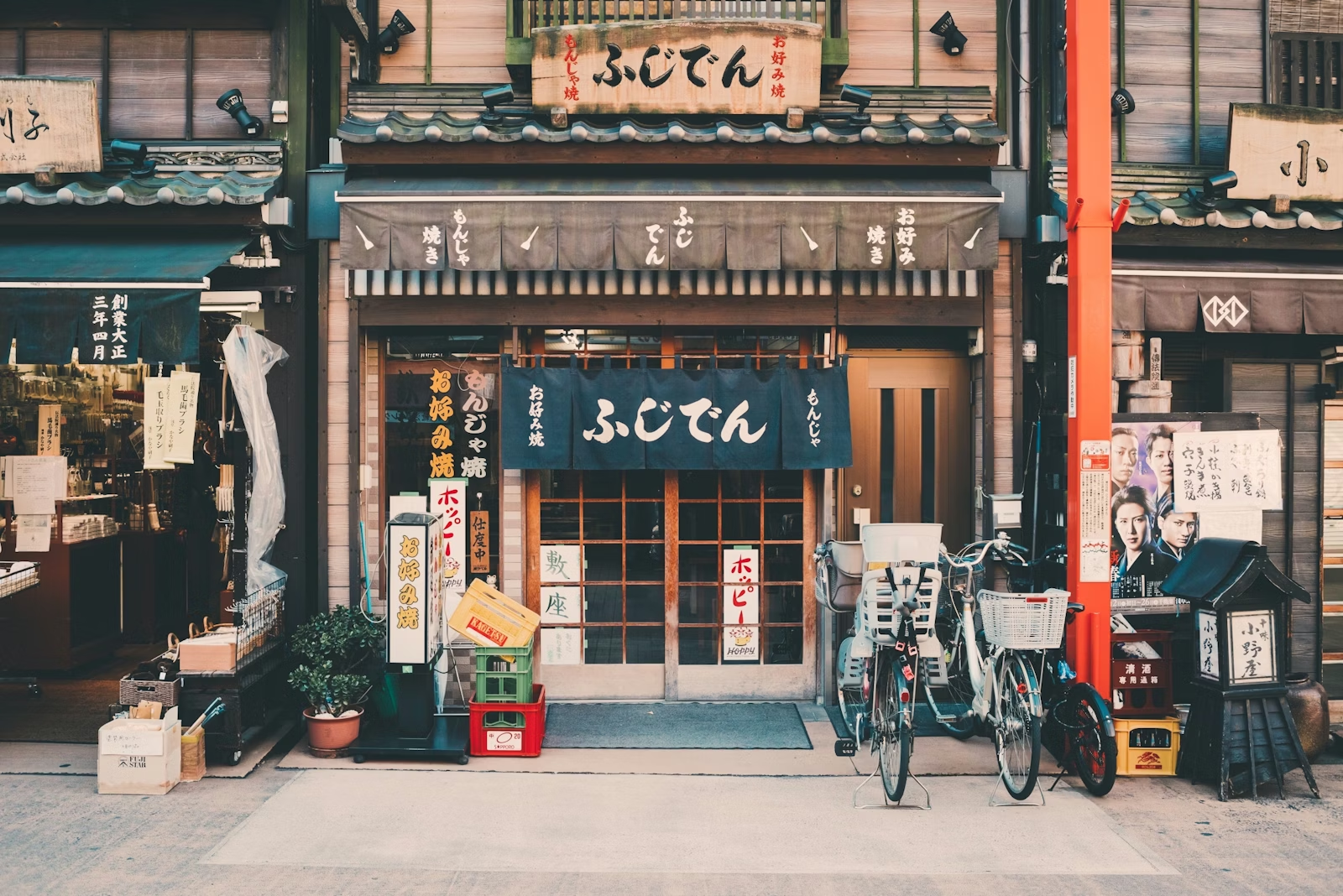
Fourteen days in spring Japan, timed for the cherry blossoms. Begin in Tokyo — four nights of precision: a ceramics master in Yanaka, Narisawa at its seasonal peak, the sake bars of Yotsuya at midnight. Then south to Hakone for two nights of deliberate stillness — a private dawn cruise on Lake Ashi with Fuji above the waterline, kaiseki served in your room, an onsen that needs no explaining. Finally, eight days in Kyoto — long enough to go beneath the surface, to find the weaver in Nishijin who takes no visitors, the tea master who trained under a grand master, the temple path at 5:30am before the world arrives. Japan in April is not a cliché. It is a fact.
Estimated budget
Estimated budget
From
£18,800
Estimates in GBP for two people. Final pricing depends on dates, availability, and preferences.
Tokyo
4 nights in Tokyo · Japan
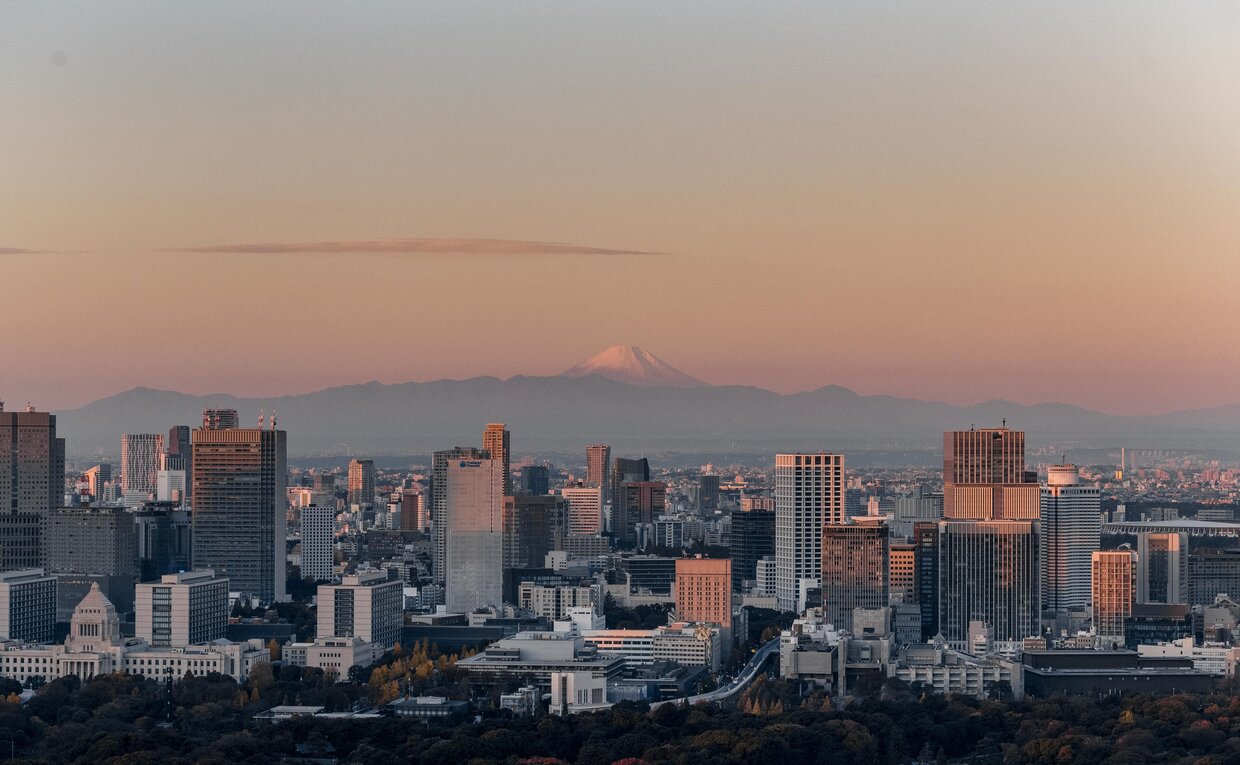
Tokyo rewards those who resist the obvious. Your first two days resist jet lag with slow mornings and one anchor evening — Narisawa on night two. By day three you're moving through the city's quieter register: the ceramics studios of Yanaka, the sake bars of Yotsuya, the private temple at first light.
Where you're staying
Day 1
Arrival — slow first evening
After a long flight, the instinct is to rush out. Resist it. The city will wait. One beautiful meal tonight — nothing more.
Evening walk — Imperial Palace East Gardens
Fifteen minutes from the Aman front door, through the stone gates of a place that hasn't changed its geometry in four centuries.
Otemachi / Marunouchi
Dinner — Sushi Yoshitake
Three Michelin stars, 10 counter seats, and a chef who spent 16 years under Jiro before opening here.
Ginza
Day 2
Yanaka & Narisawa
Yanaka in the morning is the city at its oldest — wooden shopfronts, temple bells, cats in the alleys. Narisawa in the evening is the city at its most considered.
Yanaka neighbourhood walk
Yanaka escaped the 1923 earthquake and the WWII firebombing.
Yanaka, Taito-ku
Private ceramics studio — Yamada Keiji
Yamada Keiji takes no public visitors — this is arranged through Travique's relationship with the Yanaka artisan network.
Yanaka, Taito-ku
Dinner — Narisawa
Narisawa is a coherent argument about Japan.
Minami-Aoyama
Day 3
Tsukiji, teamLab, quiet afternoon
Start at the outer market before the city wakes. teamLab in the early evening is the counter-intuitive choice — at dusk, the crowds thin and the art takes over.
Tsukiji Outer Market — private guide
The outer market operates at a frequency that rewards a guide who knows which stalls open at 6, which tamagoyaki vendor has been there 40 years, and where to eat uni before 9am.
Tsukiji, Chuo-ku
teamLab Planets — timed entry
teamLab Planets is the more intimate sibling to Borderless.
Toyosu
Day 4
Sake, Shinjuku, free evening
A slower day — afternoon sake tasting, then the evening is yours. Shinjuku Golden Gai at night is the Tokyo that Instagram hasn't quite ruined yet.
Private sake tasting — Yotsuya Sakagura
A private tasting at a sake specialist who imports exclusively from small, family-run kura outside the major regions.
Yotsuya, Shinjuku-ku
Shinjuku Golden Gai — evening wander
Six alleys, 200 bars, most seating six people.
Kabukicho, Shinjuku
Onward to Hakone
Tokyo
Aman Tokyo
Hakone
Gora Kadan
The drive south through Kanagawa rewards those who look: on clear mornings Fuji appears above the expressway like a fact. You'll arrive at Gora Kadan in time for lunch.
Tokyo
4 nights in Tokyo · Japan
Tokyo rewards those who resist the obvious. Your first two days resist jet lag with slow mornings and one anchor evening — Narisawa on night two. By day three you're moving through the city's quieter register: the ceramics studios of Yanaka, the sake bars of Yotsuya, the private temple at first light.
Where you're staying
Day 1
Arrival — slow first evening
After a long flight, the instinct is to rush out. Resist it. The city will wait. One beautiful meal tonight — nothing more.
Evening walk — Imperial Palace East Gardens
Fifteen minutes from the Aman front door, through the stone gates of a place that hasn't changed its geometry in four centuries.
Otemachi / Marunouchi
Dinner — Sushi Yoshitake
Three Michelin stars, 10 counter seats, and a chef who spent 16 years under Jiro before opening here.
Ginza
Day 2
Yanaka & Narisawa
Yanaka in the morning is the city at its oldest — wooden shopfronts, temple bells, cats in the alleys. Narisawa in the evening is the city at its most considered.
Yanaka neighbourhood walk
Yanaka escaped the 1923 earthquake and the WWII firebombing.
Yanaka, Taito-ku
Private ceramics studio — Yamada Keiji
Yamada Keiji takes no public visitors — this is arranged through Travique's relationship with the Yanaka artisan network.
Yanaka, Taito-ku
Dinner — Narisawa
Narisawa is a coherent argument about Japan.
Minami-Aoyama
Day 3
Tsukiji, teamLab, quiet afternoon
Start at the outer market before the city wakes. teamLab in the early evening is the counter-intuitive choice — at dusk, the crowds thin and the art takes over.
Tsukiji Outer Market — private guide
The outer market operates at a frequency that rewards a guide who knows which stalls open at 6, which tamagoyaki vendor has been there 40 years, and where to eat uni before 9am.
Tsukiji, Chuo-ku
teamLab Planets — timed entry
teamLab Planets is the more intimate sibling to Borderless.
Toyosu
Day 4
Sake, Shinjuku, free evening
A slower day — afternoon sake tasting, then the evening is yours. Shinjuku Golden Gai at night is the Tokyo that Instagram hasn't quite ruined yet.
Private sake tasting — Yotsuya Sakagura
A private tasting at a sake specialist who imports exclusively from small, family-run kura outside the major regions.
Yotsuya, Shinjuku-ku
Shinjuku Golden Gai — evening wander
Six alleys, 200 bars, most seating six people.
Kabukicho, Shinjuku
Onward to Hakone
Tokyo
Aman Tokyo
Hakone
Gora Kadan
The drive south through Kanagawa rewards those who look: on clear mornings Fuji appears above the expressway like a fact. You'll arrive at Gora Kadan in time for lunch.
Hakone
2 nights in Hakone · Japan
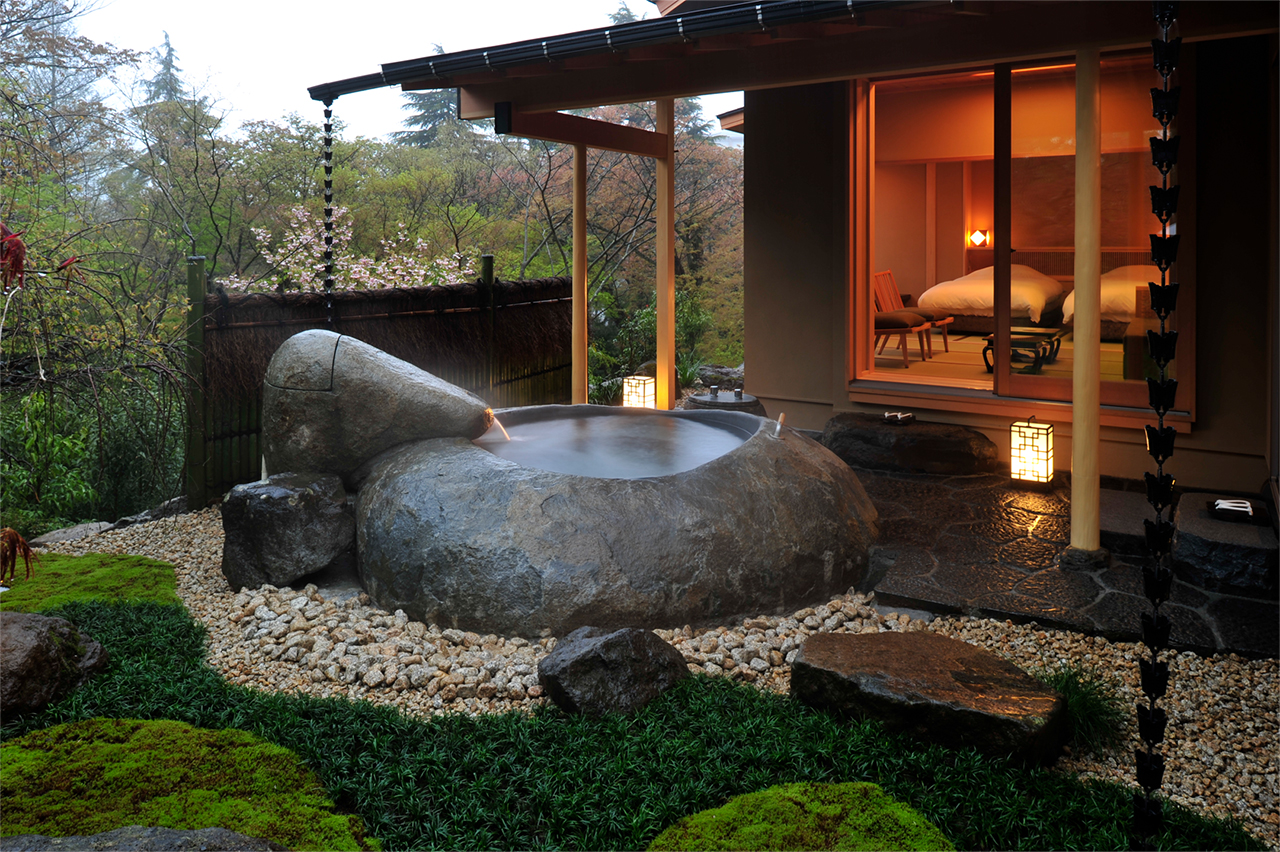
Hakone is a decompression chamber between the intensity of Tokyo and the particular depth of Kyoto. Two nights is right — a morning with Fuji, an afternoon with the onsen, an evening with almost nothing.
Where you're staying
Day 5
Arrival Hakone — onsen afternoon
The ryokan will absorb you. Let it. There is nothing to do here that requires planning.
Otemachi, Tokyo
Gora, Hakone
Fuji is everywhere in Japan — on currency, sake labels, the national imagination — but the first time you see it appear above the expressway on a clear April morning, 3,776 metres of volcano surrounded by nothing but sky, it arrives as something different from its images. The drive south from Tokyo takes two hours and ends at a kaiseki ryokan carved into a Hakone hillside.
Hakone Open Air Museum — private morning
The Hakone Open Air Museum places Moore, Rodin, and Niki de Saint Phalle on a hillside where Fuji appears as the backdrop on clear days — giving every sculpture an absurdly grand context.
Ninotaira, Hakone
Day 6
Fuji morning, rest afternoon
Fuji before 8am or not at all — the clouds rise with the morning. After that: the onsen, the gardens, a long lunch, and nothing scheduled.
Lake Ashi dawn cruise — Fuji viewing
A private 45-minute cruise on Lake Ashi at 6:30am, when the mountain is clear and the water is still.
Moto-Hakone
Private onsen — in-room evening ritual
Gora Kadan's private in-room onsen draws mineral water from the geothermal sources below the hillside.
Gora Kadan, Hakone
Onward to Kyoto
Hakone
Odawara Station
Kyoto
Kyoto Station
The Hikari runs smooth and quiet. The Green Car is nearly empty mid-morning. On clear days you'll see Fuji from the right-hand side departing Odawara — it'll be closer now, seen from behind.
Hakone
2 nights in Hakone · Japan
Hakone is a decompression chamber between the intensity of Tokyo and the particular depth of Kyoto. Two nights is right — a morning with Fuji, an afternoon with the onsen, an evening with almost nothing.
Where you're staying
Day 5
Arrival Hakone — onsen afternoon
The ryokan will absorb you. Let it. There is nothing to do here that requires planning.
Otemachi, Tokyo
Gora, Hakone
Fuji is everywhere in Japan — on currency, sake labels, the national imagination — but the first time you see it appear above the expressway on a clear April morning, 3,776 metres of volcano surrounded by nothing but sky, it arrives as something different from its images. The drive south from Tokyo takes two hours and ends at a kaiseki ryokan carved into a Hakone hillside.
Hakone Open Air Museum — private morning
The Hakone Open Air Museum places Moore, Rodin, and Niki de Saint Phalle on a hillside where Fuji appears as the backdrop on clear days — giving every sculpture an absurdly grand context.
Ninotaira, Hakone
Day 6
Fuji morning, rest afternoon
Fuji before 8am or not at all — the clouds rise with the morning. After that: the onsen, the gardens, a long lunch, and nothing scheduled.
Lake Ashi dawn cruise — Fuji viewing
A private 45-minute cruise on Lake Ashi at 6:30am, when the mountain is clear and the water is still.
Moto-Hakone
Private onsen — in-room evening ritual
Gora Kadan's private in-room onsen draws mineral water from the geothermal sources below the hillside.
Gora Kadan, Hakone
Onward to Kyoto
Hakone
Odawara Station
Kyoto
Kyoto Station
The Hikari runs smooth and quiet. The Green Car is nearly empty mid-morning. On clear days you'll see Fuji from the right-hand side departing Odawara — it'll be closer now, seen from behind.
Kyoto
8 nights in Kyoto · Japan
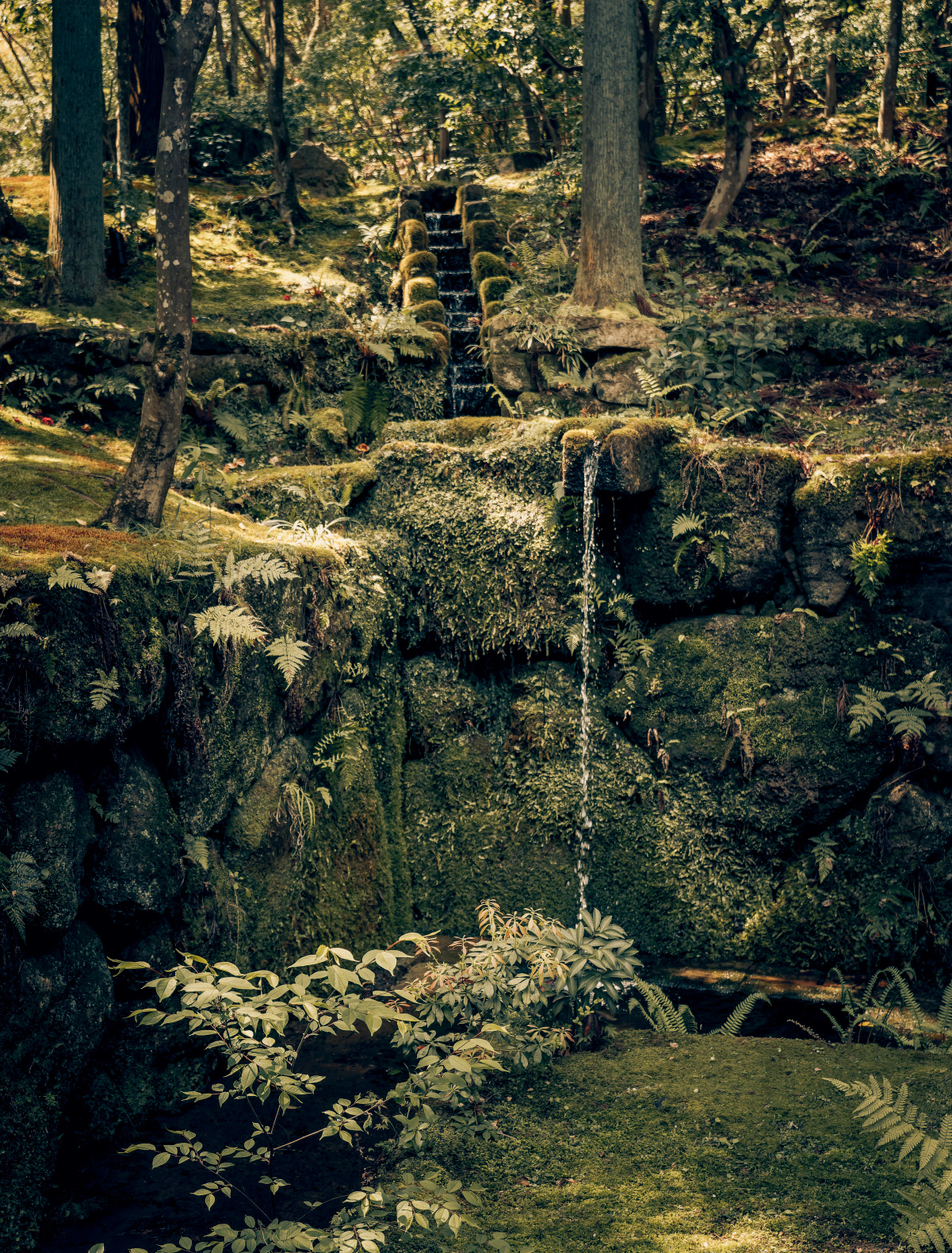
Kyoto is the city that gave up being Japan's capital but never stopped being its soul. Eight days is enough to go beneath the surface — the morning temples before the crowds, the kaiseki that takes all evening, the weaver in Nishijin who only works in the quiet season.
Where you're staying
Day 7
Shinkansen to Kyoto — arrival & first evening
The Green Car is quiet on a Monday morning. Fuji from the right-hand window as you leave Odawara. Arrive in Kyoto by noon, check in, and let the ryokan absorb you before dinner.
Odawara Station
Kyoto Station
The Hikari shinkansen in Green Car is the right way to cross Honshu. Wide seats, near silence, Mt Fuji on the right as you leave Odawara. The journey is part of the trip.
Nijo Castle — late afternoon visit
Nijo Castle is five minutes from Tawaraya on foot — close enough for a slow first afternoon.
Nijo-jo, Nakagyo-ku
Day 8
Fushimi Inari at dawn
Fushimi Inari is magnificent before the tour groups arrive at 9am. At 05:30 it's just you, the foxes, and 10,000 torii gates.
Fushimi Inari Taisha — pre-dawn climb
The most-photographed shrine in Japan, seen by nobody this morning.
Fushimi-ku, Kyoto
Nishiki Market with private guide
Nishiki is called "Kyoto's Kitchen" — but without a guide you'll walk past the things worth stopping for.
Nakagyo-ku
Dinner — Kikunoi Honten
Kikunoi is the kaiseki master class — three Michelin stars, a private room with a garden view, and chef Murata's spring menu built around bamboo shoots, cherry blossom salt, and river fish.
Higashiyama-ku
Day 9
Nishijin weaver & bamboo grove
A master weaver in the morning, the bamboo grove at dusk when the day-trippers have left. The city reveals itself to those who time it right.
Private visit — Nishijin weaving atelier
The Nishijin weaving district has produced silk obi for imperial households since the Heian period.
Nishijin, Kamigyo-ku
Arashiyama Bamboo Grove — late afternoon
The most-photographed bamboo grove in the world becomes genuinely extraordinary when the light angles low in late afternoon and the day-trippers have cleared.
Arashiyama, Ukyo-ku
Day 10
Tea ceremony & philosopher's path
The slowest day in Kyoto. A real tea ceremony — not the tourist version. An afternoon walk along a canal.
Private tea ceremony — Urasenke School
Urasenke is one of the three grand tea schools of Japan.
Murasakino, Kita-ku
Philosopher's Path — afternoon walk
A 2km canal path through Higashiyama, lined with cherry trees — peak bloom in early April.
Higashiyama
Kyoto
8 nights in Kyoto · Japan
Kyoto is the city that gave up being Japan's capital but never stopped being its soul. Eight days is enough to go beneath the surface — the morning temples before the crowds, the kaiseki that takes all evening, the weaver in Nishijin who only works in the quiet season.
Where you're staying
Day 7
Shinkansen to Kyoto — arrival & first evening
The Green Car is quiet on a Monday morning. Fuji from the right-hand window as you leave Odawara. Arrive in Kyoto by noon, check in, and let the ryokan absorb you before dinner.
Odawara Station
Kyoto Station
The Hikari shinkansen in Green Car is the right way to cross Honshu. Wide seats, near silence, Mt Fuji on the right as you leave Odawara. The journey is part of the trip.
Nijo Castle — late afternoon visit
Nijo Castle is five minutes from Tawaraya on foot — close enough for a slow first afternoon.
Nijo-jo, Nakagyo-ku
Day 8
Fushimi Inari at dawn
Fushimi Inari is magnificent before the tour groups arrive at 9am. At 05:30 it's just you, the foxes, and 10,000 torii gates.
Fushimi Inari Taisha — pre-dawn climb
The most-photographed shrine in Japan, seen by nobody this morning.
Fushimi-ku, Kyoto
Nishiki Market with private guide
Nishiki is called "Kyoto's Kitchen" — but without a guide you'll walk past the things worth stopping for.
Nakagyo-ku
Dinner — Kikunoi Honten
Kikunoi is the kaiseki master class — three Michelin stars, a private room with a garden view, and chef Murata's spring menu built around bamboo shoots, cherry blossom salt, and river fish.
Higashiyama-ku
Day 9
Nishijin weaver & bamboo grove
A master weaver in the morning, the bamboo grove at dusk when the day-trippers have left. The city reveals itself to those who time it right.
Private visit — Nishijin weaving atelier
The Nishijin weaving district has produced silk obi for imperial households since the Heian period.
Nishijin, Kamigyo-ku
Arashiyama Bamboo Grove — late afternoon
The most-photographed bamboo grove in the world becomes genuinely extraordinary when the light angles low in late afternoon and the day-trippers have cleared.
Arashiyama, Ukyo-ku
Day 10
Tea ceremony & philosopher's path
The slowest day in Kyoto. A real tea ceremony — not the tourist version. An afternoon walk along a canal.
Private tea ceremony — Urasenke School
Urasenke is one of the three grand tea schools of Japan.
Murasakino, Kita-ku
Philosopher's Path — afternoon walk
A 2km canal path through Higashiyama, lined with cherry trees — peak bloom in early April.
Higashiyama
Ready to make this yours?
Tell us your dates, who's travelling, and what matters most. We'll shape this blueprint around you — then our concierge team handles every booking, every detail.