Amalfi Coast
Positano · Ravello · Praiano
Estimated budget
£18k
2 travellers · full trip
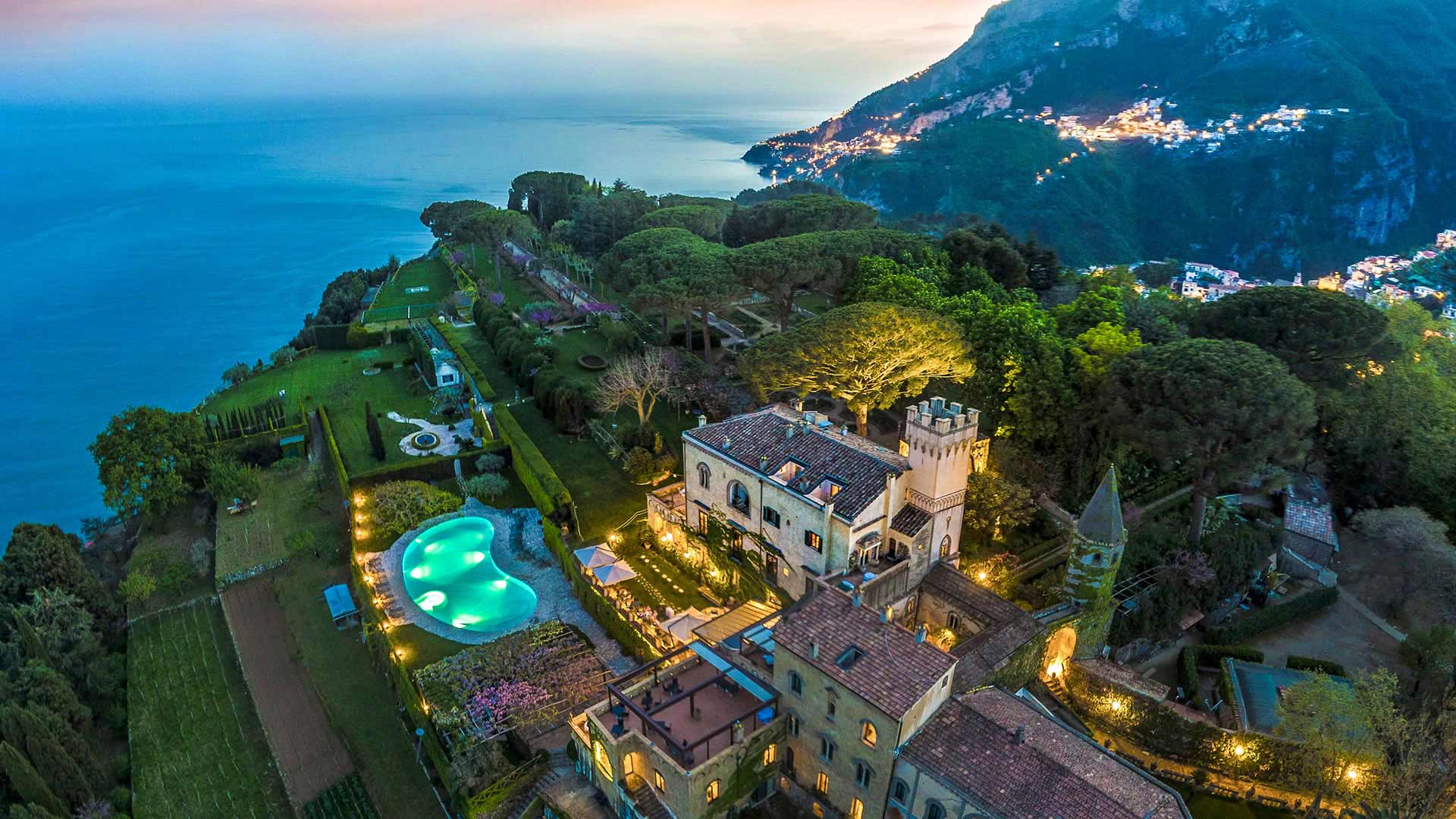
Ten days on the southern Italian coast, split between two legendary addresses. Begin in Positano — vertical, sun-bleached, impossibly beautiful — where mornings start in the sea and evenings unfold over handmade pasta and local Fiano on candlelit terraces above the water. Then climb to Ravello, 350 metres above the coast, where Wagner composed and Gore Vidal stayed for thirty years, and where the Belvedere of Infinity earns its name at every sunrise. This is slow travel at its most intentional: private boats to hidden coves, lemon-grove walks with third-generation farmers, Michelin-starred terraces with views that render conversation unnecessary.
Estimated budget
Estimated budget
From
£18,000
Estimates in GBP for two people. Final pricing depends on dates, availability, and preferences.
Positano
5 nights in Positano · Italy
Positano is best experienced early and late — before the day boats arrive and after they leave. Mornings in the water, afternoons doing nothing, evenings that start at 8pm and end when they end.
Where you're staying
Day 1
Arrival by boat · First swim · Donna Rosa
The private boat from Naples takes about 45 minutes. Arrive, change, swim. The Mediterranean in June needs no introduction.
Naples Mergellina
Positano
The drive via Amalfi takes 2 hours and involves hairpins. The boat from Mergellina takes 45 minutes and arrives at Positano from the sea — the correct direction.
Afternoon swim — Spiaggia Grande
Positano is built on an almost vertical cliff face — the only way to grasp its scale is from the water looking back at it, the way the fishermen who lived here for centuries knew it.
Spiaggia Grande, Positano
Dinner — Donna Rosa
Donna Rosa sits above Positano in the village of Montepertuso — a 20-minute taxi ride up.
Montepertuso, above Positano
Day 2
Praiano · Marina di Praia · La Zagara · Next2
Ten minutes along the coast by water taxi, Praiano is what Positano was forty years ago. Quieter beach, no day-trippers, and a restaurant perched above a hidden cove that most people on the Amalfi Coast will never find. In the evening, Next2 in Positano is one of the coast's most precise and personal tables.
Marina di Praia — morning swim
Marina di Praia is a hidden cove at the foot of a narrow gorge — accessible only by sea or a steep staircase through the rock.
Marina di Praia, Praiano
Lunch — La Gavitella
La Gavitella sits on a terrace above the water with views down the coast toward Positano.
Via Gavitella, Praiano
Aperitivo — La Zagara
La Zagara is a walled lemon garden in the centre of Positano, established in the 1950s and still family-run.
Via dei Mulini 8, Positano
Dinner — Next2
Next2 is 40 covers, owner-chef in the kitchen every service, no celebrity profile — just one of the coast's most consistently intelligent tables.
Via Pasitea 242, Positano
Day 3
Capri — private charter · Blue Grotto · Da Paolino
Capri on a private charter is the right Capri. You control the timing — Blue Grotto before the ticket boats, lunch under lemon trees at Da Paolino, swimming off the Faraglioni in the afternoon. Back in Positano by 18:30 with exactly the right kind of exhaustion.
Private boat charter — Capri
A 38-foot wooden gozzo from the 1970s with Captain Marco, who has been running this route since 1995.
Positano → Capri
Lunch — Da Paolino
Da Paolino is set in a lemon grove near Marina Grande — tables directly under the trees, the fruit hanging overhead.
Via Palazzo a Mare 11, Marina Grande, Capri
Gelato — Buonocore
Take the funicular up to Capri town after lunch.
Via Vittorio Emanuele 35, Capri town
Day 4
Amalfi town · Valle delle Ferriere · Da Gemma · Sunset bar
Amalfi town is worth a day, specifically done early. The Cathedral before the tour groups arrive, the Pansa pastry counter, and then into the Valle delle Ferriere gorge while it's still cool. Da Gemma for lunch — open since 1872 — then back to Positano for the Champagne Bar at golden hour.
Cattedrale di Sant'Andrea
9th century, Arab-Norman architecture, the striped facade rising above the piazza.
Piazza del Duomo, Amalfi
Espresso & sfogliatelle — Pasticceria Pansa
Pasticceria Pansa has occupied the corner of Piazza del Duomo since 1830.
Piazza del Duomo 40, Amalfi
Valle delle Ferriere gorge walk
A gorge above Amalfi that cuts into the mountains through ancient paper mill ruins and wild orchids endemic to this valley alone.
Valle delle Ferriere, above Amalfi
Lunch — Trattoria Da Gemma
Da Gemma has been open since 1872 — the oldest restaurant in Amalfi.
Via Fra Gerardo Sasso 10, Amalfi
Golden hour — Le Sirenuse Champagne Bar
The Champagne Bar terrace at Le Sirenuse is one of the great golden-hour positions in Italy.
Le Sirenuse, Via Cristoforo Colombo 30, Positano
Dinner — Il Ritrovo
Il Ritrovo is Slow Food endorsed and has been since the programme began.
Via Montepertuso 77, Montepertuso, Positano
Day 5
Lemon grove walk · Last swim · La Sponda by candlelight
The slow day. Walk through the terraced lemon groves above the town with Salvatore Gargiulo — third generation, working the same plots his grandfather cleared. Then the last swim, the last afternoon on the beach. La Sponda tonight — 400 candles and the most atmospheric room in southern Italy.
Lemon grove walk — Salvatore Gargiulo
The sfusato amalfitano lemon grows nowhere else.
Upper Positano terraces
Final swim & beach lunch — Spiaggia Grande
The last afternoon on Spiaggia Grande.
Spiaggia Grande, Positano
Afternoon walk — ceramics & coffee
Via dei Mulini in the upper village is quieter than the seafront.
Via dei Mulini · Via Cristoforo Colombo, Positano
Farewell dinner — La Sponda
La Sponda is the in-house restaurant at Le Sirenuse — 400 candles lit at nightfall, the terrace overlooking the coast, Chef Gennaro Russo's Campanian tasting menu.
Le Sirenuse, Via Cristoforo Colombo 30, Positano
Onward to Ravello
Positano
Le Sirenuse
Ravello
Villa Cimbrone
The SP163 coastal road is one of the most dramatic drives in Europe. Your driver will stop at the Furore Fiord viewpoint — a sheer gorge that splits the cliff to a tiny beach far below.
Positano
5 nights in Positano · Italy
Positano is best experienced early and late — before the day boats arrive and after they leave. Mornings in the water, afternoons doing nothing, evenings that start at 8pm and end when they end.
Where you're staying
Day 1
Arrival by boat · First swim · Donna Rosa
The private boat from Naples takes about 45 minutes. Arrive, change, swim. The Mediterranean in June needs no introduction.
Naples Mergellina
Positano
The drive via Amalfi takes 2 hours and involves hairpins. The boat from Mergellina takes 45 minutes and arrives at Positano from the sea — the correct direction.
Afternoon swim — Spiaggia Grande
Positano is built on an almost vertical cliff face — the only way to grasp its scale is from the water looking back at it, the way the fishermen who lived here for centuries knew it.
Spiaggia Grande, Positano
Dinner — Donna Rosa
Donna Rosa sits above Positano in the village of Montepertuso — a 20-minute taxi ride up.
Montepertuso, above Positano
Day 2
Praiano · Marina di Praia · La Zagara · Next2
Ten minutes along the coast by water taxi, Praiano is what Positano was forty years ago. Quieter beach, no day-trippers, and a restaurant perched above a hidden cove that most people on the Amalfi Coast will never find. In the evening, Next2 in Positano is one of the coast's most precise and personal tables.
Marina di Praia — morning swim
Marina di Praia is a hidden cove at the foot of a narrow gorge — accessible only by sea or a steep staircase through the rock.
Marina di Praia, Praiano
Lunch — La Gavitella
La Gavitella sits on a terrace above the water with views down the coast toward Positano.
Via Gavitella, Praiano
Aperitivo — La Zagara
La Zagara is a walled lemon garden in the centre of Positano, established in the 1950s and still family-run.
Via dei Mulini 8, Positano
Dinner — Next2
Next2 is 40 covers, owner-chef in the kitchen every service, no celebrity profile — just one of the coast's most consistently intelligent tables.
Via Pasitea 242, Positano
Day 3
Capri — private charter · Blue Grotto · Da Paolino
Capri on a private charter is the right Capri. You control the timing — Blue Grotto before the ticket boats, lunch under lemon trees at Da Paolino, swimming off the Faraglioni in the afternoon. Back in Positano by 18:30 with exactly the right kind of exhaustion.
Private boat charter — Capri
A 38-foot wooden gozzo from the 1970s with Captain Marco, who has been running this route since 1995.
Positano → Capri
Lunch — Da Paolino
Da Paolino is set in a lemon grove near Marina Grande — tables directly under the trees, the fruit hanging overhead.
Via Palazzo a Mare 11, Marina Grande, Capri
Gelato — Buonocore
Take the funicular up to Capri town after lunch.
Via Vittorio Emanuele 35, Capri town
Day 4
Amalfi town · Valle delle Ferriere · Da Gemma · Sunset bar
Amalfi town is worth a day, specifically done early. The Cathedral before the tour groups arrive, the Pansa pastry counter, and then into the Valle delle Ferriere gorge while it's still cool. Da Gemma for lunch — open since 1872 — then back to Positano for the Champagne Bar at golden hour.
Cattedrale di Sant'Andrea
9th century, Arab-Norman architecture, the striped facade rising above the piazza.
Piazza del Duomo, Amalfi
Espresso & sfogliatelle — Pasticceria Pansa
Pasticceria Pansa has occupied the corner of Piazza del Duomo since 1830.
Piazza del Duomo 40, Amalfi
Valle delle Ferriere gorge walk
A gorge above Amalfi that cuts into the mountains through ancient paper mill ruins and wild orchids endemic to this valley alone.
Valle delle Ferriere, above Amalfi
Lunch — Trattoria Da Gemma
Da Gemma has been open since 1872 — the oldest restaurant in Amalfi.
Via Fra Gerardo Sasso 10, Amalfi
Golden hour — Le Sirenuse Champagne Bar
The Champagne Bar terrace at Le Sirenuse is one of the great golden-hour positions in Italy.
Le Sirenuse, Via Cristoforo Colombo 30, Positano
Dinner — Il Ritrovo
Il Ritrovo is Slow Food endorsed and has been since the programme began.
Via Montepertuso 77, Montepertuso, Positano
Day 5
Lemon grove walk · Last swim · La Sponda by candlelight
The slow day. Walk through the terraced lemon groves above the town with Salvatore Gargiulo — third generation, working the same plots his grandfather cleared. Then the last swim, the last afternoon on the beach. La Sponda tonight — 400 candles and the most atmospheric room in southern Italy.
Lemon grove walk — Salvatore Gargiulo
The sfusato amalfitano lemon grows nowhere else.
Upper Positano terraces
Final swim & beach lunch — Spiaggia Grande
The last afternoon on Spiaggia Grande.
Spiaggia Grande, Positano
Afternoon walk — ceramics & coffee
Via dei Mulini in the upper village is quieter than the seafront.
Via dei Mulini · Via Cristoforo Colombo, Positano
Farewell dinner — La Sponda
La Sponda is the in-house restaurant at Le Sirenuse — 400 candles lit at nightfall, the terrace overlooking the coast, Chef Gennaro Russo's Campanian tasting menu.
Le Sirenuse, Via Cristoforo Colombo 30, Positano
Onward to Ravello
Positano
Le Sirenuse
Ravello
Villa Cimbrone
The SP163 coastal road is one of the most dramatic drives in Europe. Your driver will stop at the Furore Fiord viewpoint — a sheer gorge that splits the cliff to a tiny beach far below.
Ravello
5 nights in Ravello · Italy
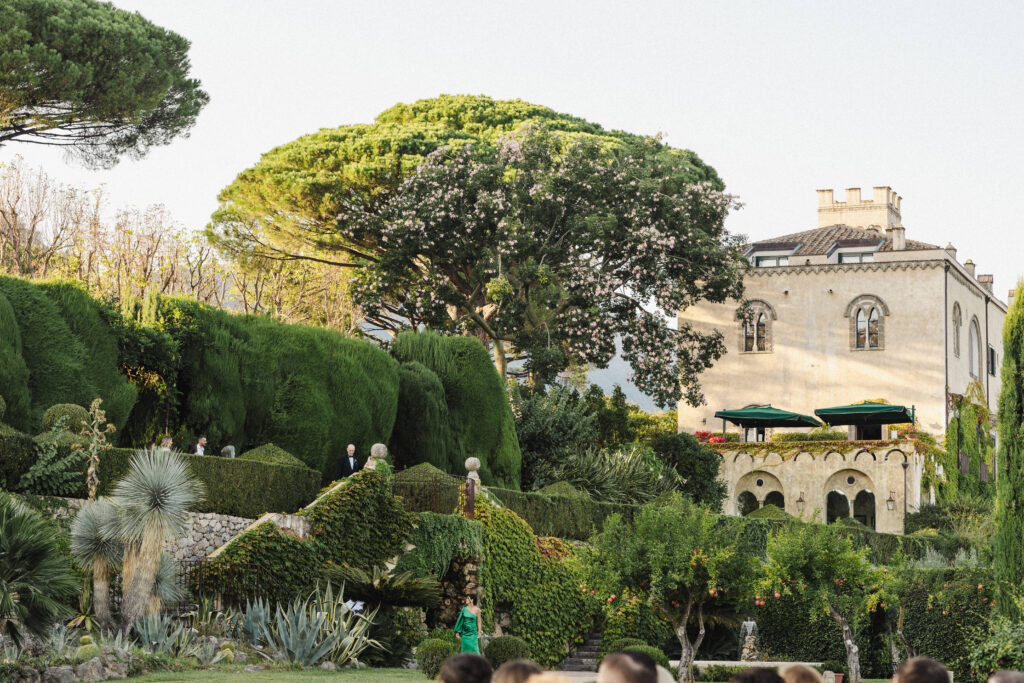
Ravello sits 350 metres above the coast and feels several centuries removed from it. Wagner composed here. Gore Vidal lived here for 30 years. The garden of Villa Cimbrone has the best view in the world, and at 6am it belongs to you.
Where you're staying
Day 6
SP163 drive · Arrival in Ravello · Belvedere at dusk · Rossellinis
The drive from Positano to Ravello on the SP163 is one of the most dramatic in Europe. Your driver will stop at the Furore Fiord — a sheer gorge that splits the cliff face to a tiny beach far below. You're in Ravello by noon. The afternoon is for settling. Rossellinis tonight.
Furore Fiord viewpoint
The Furore Fiord is the most dramatic point on the SP163 — a sheer gorge cutting through the cliff to a tiny beach you can just see far below.
Furore, Amalfi Coast
Lunch — Cumpa' Cosimo
Cumpa' Cosimo is the most beloved trattoria in Ravello — the Bottone family has been cooking here since the 1920s.
Via Roma 44, Ravello
Ravello centre — Piazza Duomo & 12th-century cathedral
Ravello's Piazza del Duomo is the size of a village square but has the gravitational weight of somewhere much larger — because of the cathedral (12th century, a pulpit of 1272 with extraordinary mosaics), and because the streets around it are unchanged since the Renaissance.
Piazza del Duomo, Ravello
Belvedere of Infinity — arrival sunset
The Belvedere of Infinity has been described as the finest view in the world since the 1920s.
Villa Cimbrone, Ravello
Dinner — Rossellinis ✦ Michelin
One Michelin star, terrace dining above the Gulf of Salerno, Chef Mimmo Di Raffaele's intelligent interpretation of Campanian cuisine.
Palazzo Avino, Via San Giovanni del Toro 28, Ravello
Day 7
Sunrise at the Belvedere · Villa Rufolo · Ravello Festival
Ask the night porter to unlock the lower garden gate before you sleep. The Belvedere at 6:30am — no one else is there, the coast turns gold, the sea is flat. Then Villa Rufolo, where Wagner came in 1880 and wrote what he saw into Parsifal. If the Festival is on tonight, there is nowhere better to hear classical music in the world.
Belvedere of Infinity — sunrise
The Belvedere at sunrise is a different experience to the Belvedere at sunset — quieter, cooler, and more private.
Villa Cimbrone, Ravello
Breakfast in the Villa Cimbrone gardens
Breakfast in the garden of Villa Cimbrone, surrounded by roses and stone walls, is one of those travel moments that justifies the room rate.
Villa Cimbrone, Ravello
Villa Rufolo gardens
Villa Rufolo is a 13th-century villa with Moorish gardens on the edge of the Ravello cliff.
Piazza del Duomo, Ravello
Lunch — Ristorante Pizzi e Ricami
Pizzi e Ricami is a small family-run room on a quiet Ravello street with no tourist traffic and the most honest cooking in town.
Via della Mensa 5, Ravello
Ravello Festival — outdoor concert, Villa Rufolo
The Ravello Festival is one of the most respected outdoor classical music events in the world, held each summer on the Villa Rufolo stage — a cliff-edge terrace with the sea as its backdrop.
Villa Rufolo, Ravello
Late wine — Bar Calce
Bar Calce is the unpretentious village bar on Piazza del Duomo — locals, festival-goers, no ceremony.
Piazza del Duomo, Ravello
Day 8
Atrani · Spiaggia Duoglio · La Caravella · Torre dello Ziro · Il Flauto di Pan
Atrani is the smallest municipality in Italy and almost nobody visits it. It's 10 minutes from Ravello by car and feels like a completely different century. Morning on the beach, lunch at La Caravella (Michelin-starred, Amalfi's oldest restaurant), and the most romantic dinner of the trip at Il Flauto di Pan tonight.
Atrani — free beach & espresso at Bar La Palma
Atrani is one kilometre from Amalfi and completely overlooked — it's the smallest municipality in Italy and has no tourist infrastructure.
Atrani, Amalfi Coast
Swim — Spiaggia Duoglio
Spiaggia Duoglio is a quiet pebble beach below Amalfi, reached by boat or a steep path through the cliff.
Spiaggia Duoglio, below Amalfi
Lunch — Ristorante La Caravella ✦ Michelin
La Caravella has been open since 1959 and holds the only Michelin star in Amalfi town.
Via Matteo Camera 12, Amalfi
Hike — Torre dello Ziro (optional)
Torre dello Ziro is a ruined 15th-century Aragonese tower on the clifftop above Atrani, with 360° views from the sea to the Lattari Mountains.
Torre dello Ziro, above Atrani
Dinner — Il Flauto di Pan (Villa Cimbrone gardens)
Il Flauto di Pan is Villa Cimbrone's in-house restaurant — tables set in the private walled garden, lanterns and candles, the rose-covered walls overhead.
Villa Cimbrone, Ravello
Day 9
Cetara · colatura di alici · Vietri ceramics · Acqua Pazza · Quiet evening
Drive east, away from the tourist belt entirely. Cetara is a working fishing village known for its anchovy production and the colatura di alici — an ancient sauce that predates Worcestershire by a thousand years. Vietri sul Mare for ceramics. Back in Ravello by late afternoon. A simple dinner tonight — no ceremony.
Cetara — colatura di alici tasting at Delfino
Cetara's colatura di alici is the ancient ancestor of Worcestershire sauce — anchovies slowly fermented and pressed in wooden barrels, the liquid collected drop by drop (colatura means 'dripping').
Via Marina 11, Cetara
Vietri sul Mare — Solimene factory & ceramics workshops
Vietri sul Mare is the ceramics capital of the Amalfi Coast — the kilns have been here since the 16th century.
Via Madonna degli Angeli 7, Vietri sul Mare
Lunch — Acqua Pazza
Acqua Pazza in Cetara is the definitive anchovy restaurant.
Piazza San Francesco 1, Cetara
Gardens & sunset — Villa Cimbrone
The Villa Cimbrone gardens at this hour — after the day visitors have left — are extraordinary.
Villa Cimbrone, Ravello
Simple dinner — Cumpa' Cosimo
The last full evening in Ravello deserves a quiet dinner, not a production.
Via Roma 44, Ravello
Day 10
Last sunrise · Slow morning · Da Salvatore · Palazzo della Marra
The last day. One more sunrise at the Belvedere, a slow breakfast, a walk through the rose garden. Lunch at Da Salvatore with the best panoramic view in Ravello. A final evening at Palazzo della Marra — 12 tables in a medieval palazzo, the bergamot sorbet between courses, and then it's over.
Last sunrise — Belvedere of Infinity
The Belvedere one last time.
Villa Cimbrone, Ravello
Rose garden walk & slow breakfast
Pack slowly.
Villa Cimbrone, Ravello
Duomo museum & Wagner garden
The Ravello Duomo museum holds the Rufolo family's 12th-century mosaics and church treasures — small but extraordinary.
Piazza del Duomo, Ravello
Farewell lunch — Da Salvatore
Da Salvatore has the best panoramic terrace lunch in Ravello — the coast stretches from Positano to Salerno.
Via della Repubblica 2, Ravello
Last afternoon — Villa Cimbrone pool
The last afternoon in the sun.
Villa Cimbrone, Ravello
Final dinner — Palazzo della Marra
Palazzo della Marra is a Michelin-recommended restaurant in a 13th-century palazzo — 12 tables, no exterior signage, and Chef Antonio Muto's quiet, precise Campanian cooking.
Via della Marra 7, Ravello
Ravello
5 nights in Ravello · Italy
Ravello sits 350 metres above the coast and feels several centuries removed from it. Wagner composed here. Gore Vidal lived here for 30 years. The garden of Villa Cimbrone has the best view in the world, and at 6am it belongs to you.
Where you're staying
Day 6
SP163 drive · Arrival in Ravello · Belvedere at dusk · Rossellinis
The drive from Positano to Ravello on the SP163 is one of the most dramatic in Europe. Your driver will stop at the Furore Fiord — a sheer gorge that splits the cliff face to a tiny beach far below. You're in Ravello by noon. The afternoon is for settling. Rossellinis tonight.
Furore Fiord viewpoint
The Furore Fiord is the most dramatic point on the SP163 — a sheer gorge cutting through the cliff to a tiny beach you can just see far below.
Furore, Amalfi Coast
Lunch — Cumpa' Cosimo
Cumpa' Cosimo is the most beloved trattoria in Ravello — the Bottone family has been cooking here since the 1920s.
Via Roma 44, Ravello
Ravello centre — Piazza Duomo & 12th-century cathedral
Ravello's Piazza del Duomo is the size of a village square but has the gravitational weight of somewhere much larger — because of the cathedral (12th century, a pulpit of 1272 with extraordinary mosaics), and because the streets around it are unchanged since the Renaissance.
Piazza del Duomo, Ravello
Belvedere of Infinity — arrival sunset
The Belvedere of Infinity has been described as the finest view in the world since the 1920s.
Villa Cimbrone, Ravello
Dinner — Rossellinis ✦ Michelin
One Michelin star, terrace dining above the Gulf of Salerno, Chef Mimmo Di Raffaele's intelligent interpretation of Campanian cuisine.
Palazzo Avino, Via San Giovanni del Toro 28, Ravello
Day 7
Sunrise at the Belvedere · Villa Rufolo · Ravello Festival
Ask the night porter to unlock the lower garden gate before you sleep. The Belvedere at 6:30am — no one else is there, the coast turns gold, the sea is flat. Then Villa Rufolo, where Wagner came in 1880 and wrote what he saw into Parsifal. If the Festival is on tonight, there is nowhere better to hear classical music in the world.
Belvedere of Infinity — sunrise
The Belvedere at sunrise is a different experience to the Belvedere at sunset — quieter, cooler, and more private.
Villa Cimbrone, Ravello
Breakfast in the Villa Cimbrone gardens
Breakfast in the garden of Villa Cimbrone, surrounded by roses and stone walls, is one of those travel moments that justifies the room rate.
Villa Cimbrone, Ravello
Villa Rufolo gardens
Villa Rufolo is a 13th-century villa with Moorish gardens on the edge of the Ravello cliff.
Piazza del Duomo, Ravello
Lunch — Ristorante Pizzi e Ricami
Pizzi e Ricami is a small family-run room on a quiet Ravello street with no tourist traffic and the most honest cooking in town.
Via della Mensa 5, Ravello
Ravello Festival — outdoor concert, Villa Rufolo
The Ravello Festival is one of the most respected outdoor classical music events in the world, held each summer on the Villa Rufolo stage — a cliff-edge terrace with the sea as its backdrop.
Villa Rufolo, Ravello
Late wine — Bar Calce
Bar Calce is the unpretentious village bar on Piazza del Duomo — locals, festival-goers, no ceremony.
Piazza del Duomo, Ravello
Day 8
Atrani · Spiaggia Duoglio · La Caravella · Torre dello Ziro · Il Flauto di Pan
Atrani is the smallest municipality in Italy and almost nobody visits it. It's 10 minutes from Ravello by car and feels like a completely different century. Morning on the beach, lunch at La Caravella (Michelin-starred, Amalfi's oldest restaurant), and the most romantic dinner of the trip at Il Flauto di Pan tonight.
Atrani — free beach & espresso at Bar La Palma
Atrani is one kilometre from Amalfi and completely overlooked — it's the smallest municipality in Italy and has no tourist infrastructure.
Atrani, Amalfi Coast
Swim — Spiaggia Duoglio
Spiaggia Duoglio is a quiet pebble beach below Amalfi, reached by boat or a steep path through the cliff.
Spiaggia Duoglio, below Amalfi
Lunch — Ristorante La Caravella ✦ Michelin
La Caravella has been open since 1959 and holds the only Michelin star in Amalfi town.
Via Matteo Camera 12, Amalfi
Hike — Torre dello Ziro (optional)
Torre dello Ziro is a ruined 15th-century Aragonese tower on the clifftop above Atrani, with 360° views from the sea to the Lattari Mountains.
Torre dello Ziro, above Atrani
Dinner — Il Flauto di Pan (Villa Cimbrone gardens)
Il Flauto di Pan is Villa Cimbrone's in-house restaurant — tables set in the private walled garden, lanterns and candles, the rose-covered walls overhead.
Villa Cimbrone, Ravello
Day 9
Cetara · colatura di alici · Vietri ceramics · Acqua Pazza · Quiet evening
Drive east, away from the tourist belt entirely. Cetara is a working fishing village known for its anchovy production and the colatura di alici — an ancient sauce that predates Worcestershire by a thousand years. Vietri sul Mare for ceramics. Back in Ravello by late afternoon. A simple dinner tonight — no ceremony.
Cetara — colatura di alici tasting at Delfino
Cetara's colatura di alici is the ancient ancestor of Worcestershire sauce — anchovies slowly fermented and pressed in wooden barrels, the liquid collected drop by drop (colatura means 'dripping').
Via Marina 11, Cetara
Vietri sul Mare — Solimene factory & ceramics workshops
Vietri sul Mare is the ceramics capital of the Amalfi Coast — the kilns have been here since the 16th century.
Via Madonna degli Angeli 7, Vietri sul Mare
Lunch — Acqua Pazza
Acqua Pazza in Cetara is the definitive anchovy restaurant.
Piazza San Francesco 1, Cetara
Gardens & sunset — Villa Cimbrone
The Villa Cimbrone gardens at this hour — after the day visitors have left — are extraordinary.
Villa Cimbrone, Ravello
Simple dinner — Cumpa' Cosimo
The last full evening in Ravello deserves a quiet dinner, not a production.
Via Roma 44, Ravello
Day 10
Last sunrise · Slow morning · Da Salvatore · Palazzo della Marra
The last day. One more sunrise at the Belvedere, a slow breakfast, a walk through the rose garden. Lunch at Da Salvatore with the best panoramic view in Ravello. A final evening at Palazzo della Marra — 12 tables in a medieval palazzo, the bergamot sorbet between courses, and then it's over.
Last sunrise — Belvedere of Infinity
The Belvedere one last time.
Villa Cimbrone, Ravello
Rose garden walk & slow breakfast
Pack slowly.
Villa Cimbrone, Ravello
Duomo museum & Wagner garden
The Ravello Duomo museum holds the Rufolo family's 12th-century mosaics and church treasures — small but extraordinary.
Piazza del Duomo, Ravello
Farewell lunch — Da Salvatore
Da Salvatore has the best panoramic terrace lunch in Ravello — the coast stretches from Positano to Salerno.
Via della Repubblica 2, Ravello
Last afternoon — Villa Cimbrone pool
The last afternoon in the sun.
Villa Cimbrone, Ravello
Final dinner — Palazzo della Marra
Palazzo della Marra is a Michelin-recommended restaurant in a 13th-century palazzo — 12 tables, no exterior signage, and Chef Antonio Muto's quiet, precise Campanian cooking.
Via della Marra 7, Ravello
Ready to make this yours?
Tell us your dates, who's travelling, and what matters most. We'll shape this blueprint around you — then our concierge team handles every booking, every detail.